
BW Learning Circle
"Do I Need to Fix Myself?": Bridgewell Educators Rethink How Young People Learn and Grow
October 2026
At Bridgewell’s Open House, educators shared personal experiences and learner success stories that challenge conventional ideas about learning, independence, and what it means to thrive.

For some young people, the challenges of learning go beyond understanding lessons or completing assignments. They can begin to influence something more fundamental: how learners see themselves.
“Am I doing it right? Is something wrong with me? Do I need to fix myself?”
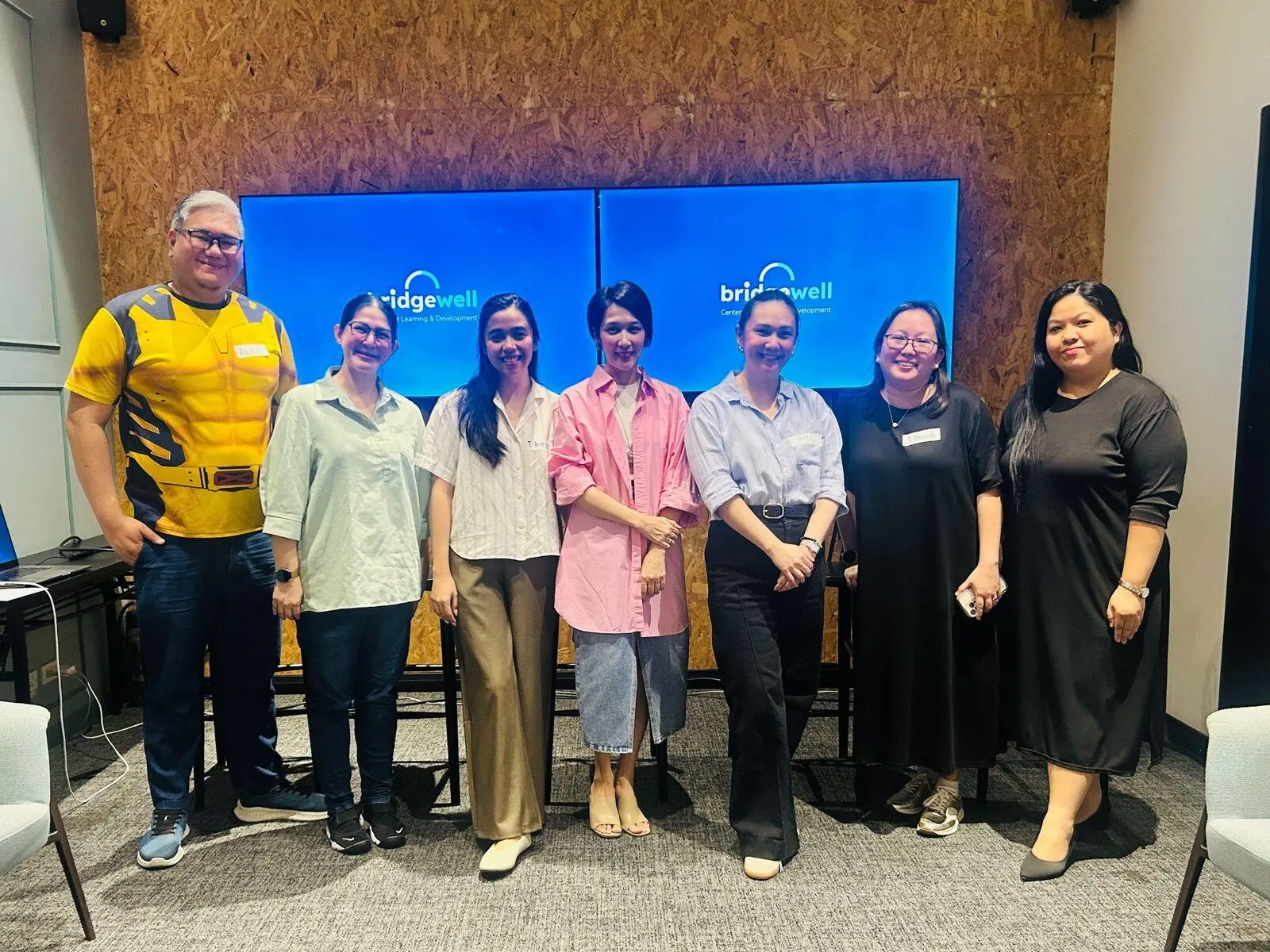
These are the questions that Teacher Yumi raised during Bridgewell Center for Learning & Development’s Open House on October 10, as she discussed how repeated learning difficulties can affect a young person’s sense of self.
Her observation points to an important concern. When learners repeatedly experience difficulty meeting expectations, they may begin to believe that the problem lies within them, rather than recognizing that they might need a different approach, environment, or support system.
For Bridgewell, helping learners understand how they think and learn is an important starting point.
Learning Differently Does Not Mean Learning Less
Teacher Alex, who shared his own experience as a neurodivergent learner, offered a particularly personal perspective.
He recalled learning financial concepts through a video game—an experience that helped him recognize that conventional teaching methods had not always matched the way he learned best.
“It’s not that I wasn’t intelligent. I wasn’t learning the right way based on my context of being neurodivergent,” he explained.
His experience highlights why educational approaches need to recognize individual strengths, interests, and learning preferences.
Alex also reflected on having to discover many of these strategies on his own, adding that he wished a learning environment like Bridgewell had existed when he was growing up.
Independence Begins with Understanding Yourself
The discussion also connected self-understanding with self-advocacy: the ability to recognize one’s needs, communicate them, and seek appropriate support.
Rather than expecting learners to manage every challenge independently from the beginning, Bridgewell emphasizes the gradual development of these abilities.
Teacher Arielle brought the conversation closer to everyday life with a simple observation: “Independence starts at home.”
Her perspective reinforces the importance of opportunities to practice decision-making, manage routines, take responsibility, and develop confidence beyond scheduled classes.
Independence does not necessarily mean doing everything without assistance. It also involves recognizing when help is needed and learning how to access it.
As Teacher Yumi emphasized, asking for help allows support systems to become part of a learner’s progress.
From Self-Doubt to Self-Belief
Across the discussion, a common message emerged: young people should not have to measure their potential against a single definition of how learning ought to happen.
For some, progress begins with finding a more effective study strategy. For others, it begins with understanding their strengths, expressing their needs, or completing a task that previously felt overwhelming.
These are the kinds of developmental milestones Bridgewell seeks to support through its integrated approach to executive function, academic development, and life readiness.
And perhaps the most important change is not immediately visible in a grade or assessment.
It is the moment a learner begins to understand that learning differently does not mean something is wrong with them—and that with the right tools, support, and opportunities, their next steps can become more achievable.